

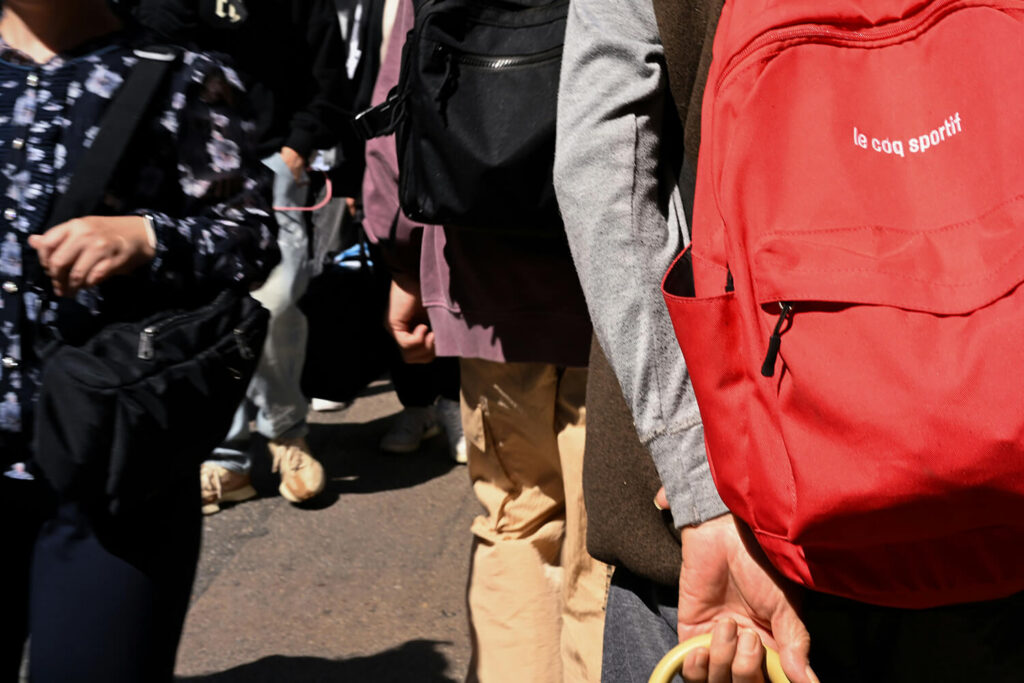
New Yorkers don’t dress for the weather — they dress for every version of the day. Here’s the formula behind the city’s most effortless layered looks.
There’s a specific kind of person you see on the subway platform at 8am in October. They’re wearing a lightweight knit under an open blazer, a scarf looped loosely at the collar, and a long coat draped over one arm — not because they planned it, but because they’ve been doing this long enough that it just happens. That’s the New York layer. It looks effortless because it is a system.
The city’s temperature swings are legendary. A morning in the 40s can turn into an afternoon pushing 65°F. A work dinner means climate-controlled restaurants, then a brutal wait for the L. Anyone who’s survived a few New York winters understands: you don’t dress for where you’re starting. You dress for everywhere you’re going.
The result, over decades of collective trial and error, is something like an unwritten formula. Five pieces. Each one with a job. Together, they handle almost any version of the day the city throws at you.
Five pieces, one system
The formula works because each layer is removable in sequence without breaking the outfit. Strip down to the blazer and you’re business casual. Strip to the mid layer and you’re smart-casual at dinner. The base layer, ideally, should only surface at home — but it needs to look clean just in case.
What most people get wrong
The single most common layering mistake isn’t about color or proportion — it’s about fabric weight. People stack layers that are all the same weight, which creates bulk without warmth. A proper New York layer moves from thin to substantial: jersey base, medium-weight knit, structured shell, then a heavier outer.
The second mistake is layering pieces that don’t want to be layered — thick collars under structured necklines, chunky knits under slim blazers, anything with excessive buttons or hardware near the shoulders. Layers need to slide over each other. Friction is the enemy of the formula.
Third, and most subtle: proportion blindness. Layering adds visual bulk whether you want it to or not. If you’re wearing a voluminous coat, the pieces underneath should be controlled. If you’re stacking a cropped jacket over a crewneck, you have room to go wider in the pants. The silhouette needs a center of gravity — one dominant volume, everything else in service of it.
How the formula shifts by month
September is the transition month where the formula first activates. You don’t need the full five pieces yet — a base, a mid layer, and a light jacket handle most days. But this is when you start building the habit of thinking in layers rather than single outfits.
October and November are peak formula months. The full five pieces come into play, and this is where the scarf earns its place. A merino or lightweight cashmere scarf is the difference between a coat that works from 9am to midnight and one that only works for two hours in the afternoon.
December through February, the formula stays the same but the materials change. The base moves to thermal or heavyweight jersey. The outer shell becomes a proper winter coat. The key is that the logic — five removable pieces, each with a job — doesn’t change with the season. Only the fabrics do.

